

The first time I encountered a chatbot in 2018, it felt like I was speaking to a brick wall – it was clunky, frustrating, and unhelpful. A few years later, in 2025, I see these same AI-powered chatbots handling everything from booking my dentist’s appointment to helping large companies close million-dollar deals. Many do not know that the tremendous change has opened up a whole new job market.
Having worked hands-on on many AI implementation projects in various industries, I can say that there’s a growing and huge demand for chatbot expertise. Currently, corporations are in search of individuals who can apply artificial intelligence and help enhance human conversation. And the numbers? They’re staggering.
Are AI chatbot jobs really in demand?
Yes, AI chatbot jobs are seeing phenomenal growth, with more than 110,000 monthly searches in the UK in 2025. It is currently one of the most in-demand AI jobs worldwide. In the United States, salaries for top roles range from $74,500 to $126,500 per year. Different industries are hiring chatbot developers, with big companies like Vodafone, other telecom providers, and healthcare organizations leading the way.
The Chatbot Career Renaissance: From Novelty to Necessity
The stats show something that I sometimes find really hard to believe. According to recent research from the UK job market, “AI Chatbot Developer” is generating a whopping 110,000 monthly searches, making it the most sought-after AI position in 2025. But this isn’t just a British phenomenon—it’s happening worldwide.
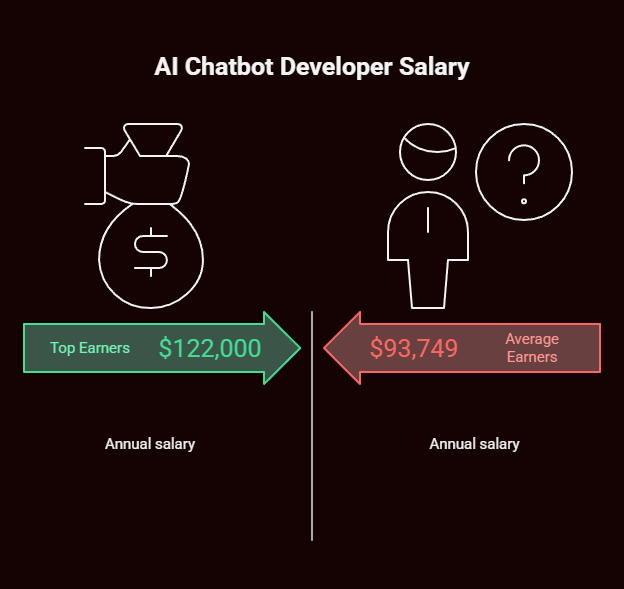
According to ZipRecruiter, in the United States, AI chatbot developers earn an average salary of $93,749 annually, with top earners making $122,000 or more. The figures I started tracking two years ago were about 40% less than this. That salary growth is enough to make other tech jobs think about making a career move.
What’s driving this surge? All businesses with customer service, sales teams, technical support, or other functions realize they need intelligent conversation systems. And they need them yesterday.
Beyond Customer Service: The Expanding Universe of Chatbot Applications
When you hear “chatbot,” the first thing that likely pops into your head is a little widget that sits in the corner of a website and asks you, “How can I help you today?” You don’t think that’s all that a chatbot does, right? It’s like saying a smartphone is just a phone that allows you to call someone. Today’s AI chatbots power a wide range of applications.
Healthcare Consultations
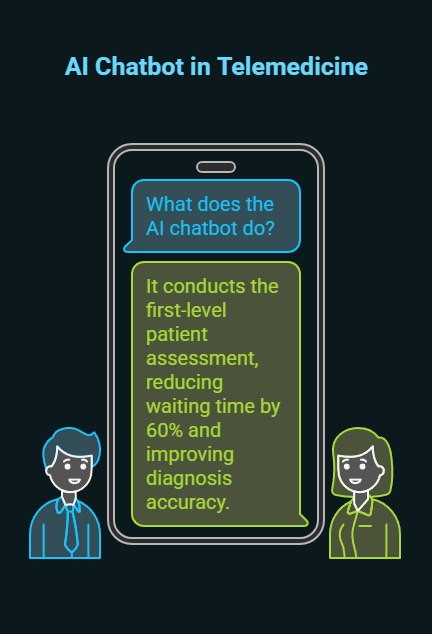
I recently collaborated with a telemedicine platform. Their AI chatbot conducts the first-level patient assessment. This offers a 60% reduction in waiting time. It further improves diagnosis accuracy via a questioning protocol.
Financial Advisory Services
Big banks use talking computers for help with complicated loans, funds, and fraud prevention. These machines are available all the time and do a better job than a human.
Educational Tutoring
Universities are introducing chatbots as a 24-hour, 365-day academic support service for students that may help with calculus, essay structuring, etc.
Internal Business Operations
Businesses are deploying chatbots for onboarding, IT troubleshooting, HR assistance, and coordinating project management.
Each of these requires knowledge and experience, which creates different career paths within the chatbot ecosystem.
The Skills That Actually Matter: A Reality Check
It’s time for me to be honest with you. Many online courses would claim otherwise, but you won’t be able to become a successful chatbot professional by just learning how to write better prompts. The most effective people I’ve ever collaborated with are those with technical and human skills.
Technical Foundations
To build a chatbot, you need to know about natural language processing (NLP), conversation flow design, and integration with other business systems. You should know something like Dialogflow, Microsoft Bot Framework, or IBM Watson Assistant.
Psychology and Linguistics
Top chatbot developers comprehend the human language and how people interact. They realize that people seldom speak exactly what they mean, use context a lot, and often give missed information. What makes a chatbot great is its understanding of psychology.
Industry Expertise
A chatbot for a law firm functions in a different manner than one for a chain of restaurants. More and more jobs require domain knowledge. Legal AI specialists, healthcare chatbot creators, and financial services conversation designers all command high salaries.
Data Analysis
All chats generate data, and learning how to read chatbot performance metrics, user satisfaction scores, and conversation completion rates is key to optimization.
During my recent undertaking with a major retailer, we found that the bot was failing not due to its sophistication, but because it wasn’t factoring in the seasonal nature of shopping. A combination of technical knowledge with business acumen could lead to such insight.
Real-World Implementation: What Companies Are Actually Building
Here are some specific examples that show where the opportunity lies.
Vodafone’s Customer Service Revolution
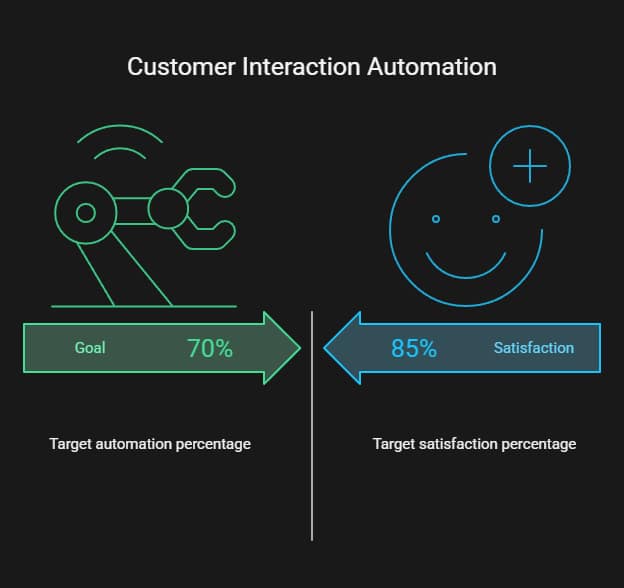
The telecom giant has recently advertised for numerous openings for chatbot developers, marking the entry of traditional industries into the AI space. Their goal? Achieving 70% of customer interactions automated and maintaining satisfaction percentages over 85%.
Healthcare’s Diagnostic Assistance
Hospitals are using chatbots to assess who has the most urgent need for an appointment and direct patients to the best solution. The accuracy is high, but it significantly impacts patient care.
Financial Services Compliance
Banks are deploying conversational AI that must adapt to regulatory requirements and offer personalized advice. Well-versed in AI and an understanding of financial regulations are combined for these systems. Thus, a six-figure salary.
The Job Market Reality: Supply, Demand, and Salary Trends
The numbers tell a compelling story about market dynamics. In 2024, AI job postings increased by 50% over the previous year, with generative AI roles (including chatbot positions) seeing the most dramatic growth.. On the other hand, 50% of U.S. employers have difficulty finding qualified AI candidates. This creates a seller’s market.
Geographic distribution is interesting as well
While California still leads with 19% of AI jobs, Washington, D.C. The second major hub with 12.7% of vacancies. The government now wants chatbots to help faceless users. This was not the case earlier.
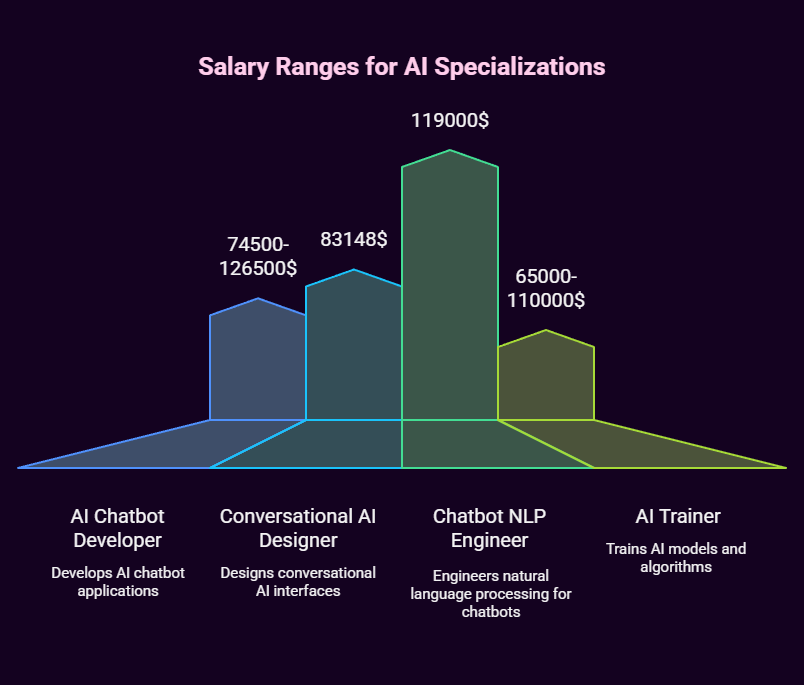
Salary Breakdown by Specialization
- AI Chatbot Developer salaries range from $74,500 to $126,500 per year.
- The average salary for a conversational AI designer is $83,148.
- Chatbot NLP engineers earn around $119,000.
- Many industries are now hiring people to train or converse with AI. Typically, AI trainers can earn between $65,000 and $110,000.
The wage premium that you will receive for AI skills is real. It is 20%-25% higher than similar roles that don’t require these skills. But here’s the catch: these are no longer just tech jobs. Traditional industries are driving much of the growth.
The Dark Side: Challenges and Misconceptions
Before updating your LinkedIn profile, let me first give you some hard truths about chatbot development.
The Hype vs. Reality Gap
A lot of firm owners still think that chatbots are magical and can replace customer service in no time. You need to be diplomatic while getting the right value.
Ethical Complexity
As chatbots get smarter, the issues of transparency, data privacy, and who will take responsibility become more challenging. I have come across projects that got derailed by ethical issues not dealt with early on in the development process.
Technical Limitations
Despite rapid advances, AI still cannot understand context, emotion, and complex reasoning like a human. Chatbot experts know how to design for them, not against them.
Continuous Learning Pressure
The field evolves rapidly. What worked six months ago might be outdated today. Successful professionals invest considerable time in continuing education and experimentation.
Industry-Specific Opportunities: Where the Money Is
Different industries offer varying opportunities and compensation packages.
Healthcare
Most complicated rules, but also seriously impactful. Salaries can range from $85,000 to $140,000, and telemedicine certainly has room for growth.
Financial Services
The growing attention on compliance and security will increase the demand for specialized skills. Base salaries often begin at about $95,000 for seasoned pros.
E-commerce and Retail
Many options exist, fairly simple use cases, and competition. Entry-level roles pay around $70,000 and advance rapidly.
Government and Public Services
A developing country that has unique challenges relating to access and public accountability. Competitive salaries with excellent benefits packages.
The Skills Arms Race: What You Need to Stay Competitive
More and more people are asking for these skills either through job postings or by talking to hiring managers.
Multimodal Conversation Design
This article covers how to use voice, text, and visuals in chatbots.
Enterprise Integration
Chatbots can integrate with CRM systems to create chatbots from scratch.
Performance Optimization
Ability to analyze conversation data and provide an accurate response and better user experience.
Cross-Platform Development
Knowledge of creating chatbots for websites and apps.
Regulatory Compliance
Knowing what’s required for certain industries like healthcare and finance.
The Automation Paradox: Jobs AI Creates vs. Jobs AI Eliminates
In observing the phenomenon, I found a paradox—using AI chatbots can make human tasks easier and faster; however, they are creating more niche human jobs now than they are taking away. Yes, while the standard customer service role is being taken over by automation, there is a huge demand for chatbot trainers, conversation designers, and AI supervisors.
The Bureau of Labor Statistics projects that customer service representative employment will decline by 5.0% from 2023 to 2033. But at the same time, several new roles are being created even now.
AI Trainers
Experts who train chatbots on scenarios, jargon, expressions, and voices relevant to them.
Conversation Analysts
Experts who assess chatbot interactions to find improvement opportunities and ensure better performance.
Human-AI Collaboration Specialists
Professionals who create processes where people and chatbots work smartly together.
Breaking Into the Field: Practical Steps for Career Transition
If you want to start a career or a side gig in chatbot development, here’s how I would approach it, based on what has worked for me and others like me.
Start with Platform Familiarity
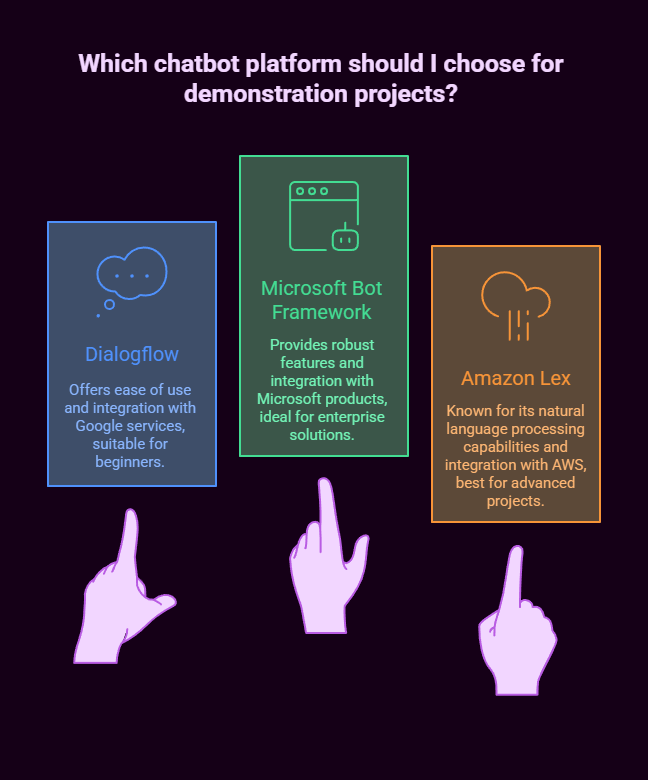
Please select one major chatbot platform. Some good options are Dialogflow, Microsoft Bot Framework, or Amazon Lex. Then, build about 3 to 4 demonstration projects on your chosen platform. Focus on different industries to show versatility.
Develop Industry Expertise
Pick a domain that sparks your interest and explore its distinct challenges, jargon, and user requirements. A chatbot developer with specialized knowledge of healthcare is better than a generalist.
Build a Portfolio
Create chatbots that solve real problems. Record your process, display results, and be ready to talk about design choices and trade-offs.
Network Strategically
Get in touch with others who are interested in this area. Reach out to those who are already working in the field. Attend AI meetups. Join conversational AI communities.
Get Certified
Although not compulsory, getting certified from big platforms can help prove your skills to your employer.
Future Trajectory: Where Chatbot Careers Are Heading
In the future, trends shaping chatbot careers will be the number of training courses offered by corporate houses to boost chatbot careers.
Voice-First Integration
Voice interfaces are getting smarter, which means that the demand for professionals who can handle text and voice conversation design is bound to grow.
Emotional Intelligence
The next generation of chatbots will need to decipher and respond appropriately to a user’s emotion, which will create demand for design input from psychologists.
Industry Specialization
Developers of generic chatbots will face more competition from specialist developers of certain sectors.
Ethical AI Expertise
As we grab more control over AI use, those who implement AI and are knowledgeable will expect hefty pay packets.
The Investment Perspective: Why Companies Are Going All-In
Businesses are seeing so much ROI from chatbots that they are not stopping hiring anytime soon. Companies report.
- Save 40%-70% on customer service costs.
- Always available to enhance customer satisfaction
- All interactions are branded with consistent quality and brand voice.
- The data that is collected is very detailed, which helps in making better business decisions.
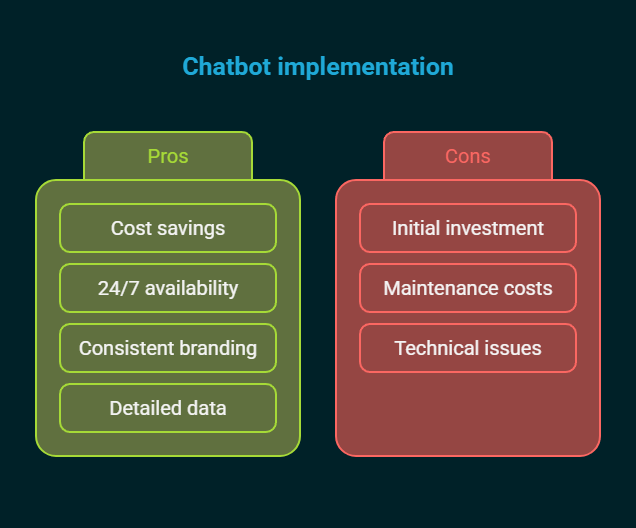
The advantages create a positive cycle. The successful execution generates a provision for more sophisticated projects. Moreover, it requires skilled men. In addition, it drives the salary. This creates a more attractive career.
Global Market Dynamics: Beyond the US and UK
People focused a lot on the US and UK markets, but there are other global opportunities too.
Countries like Germany, Singapore, and the UAE that are investing heavily in digital transformation are creating huge demand for chatbot professionals. Candidates must be able to speak English and be open to working remotely or relocating.
In India, major outsourcing companies are adding chatbot development to their offerings. For professionals who can marry technical know-how with cultural knowledge of the West, the Indian market is certainly interesting.
Making the Strategic Career Move
Will chatbot jobs continue to flourish? The answer is undoubtedly yes. The momentum is growing at such a rate; the business benefits are so clear that it won’t be reversed now. The inquiry is how quickly you can position yourself to take advantage of this opportunity.
If you work in a related field like customer service, software development, content creation, or UI/UX, you have transferable skills. The key is spotting which of the specific chatbot specializations suit your background and interests, and then systematically building up other skills that would enable your credible transition bubble.
It’s not too hard to start from scratch, but it will take quite a bit of focus. In addition, you will need to think carefully about which market to tackle first.
The chatbot job market is not merely another tech trend. It represents a fundamental shift in how businesses communicate with their customers and manage the flow of information. When people notice this sooner and gain relevant skills, they prepare themselves for futures not just lucrative but also meaningful in forming how humans and AI systems work hand in hand.
Watching this market makes me believe we’re still in the first inning of the chatbot revolution. The professionals who enter this field now not only get good jobs but lay down the foundations of interactions between humans and machines for the next decade. That honestly is a really exciting place to start your career.


